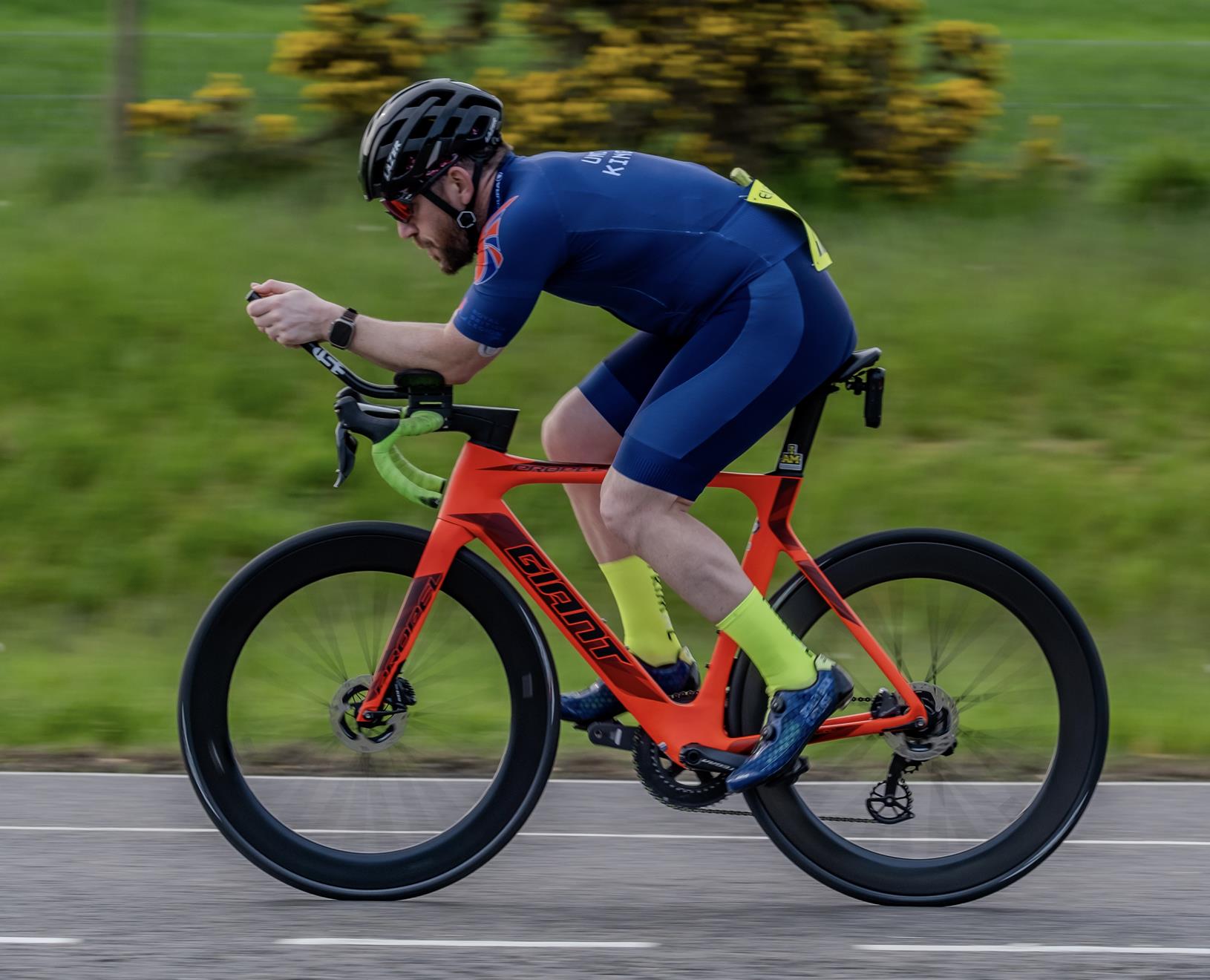
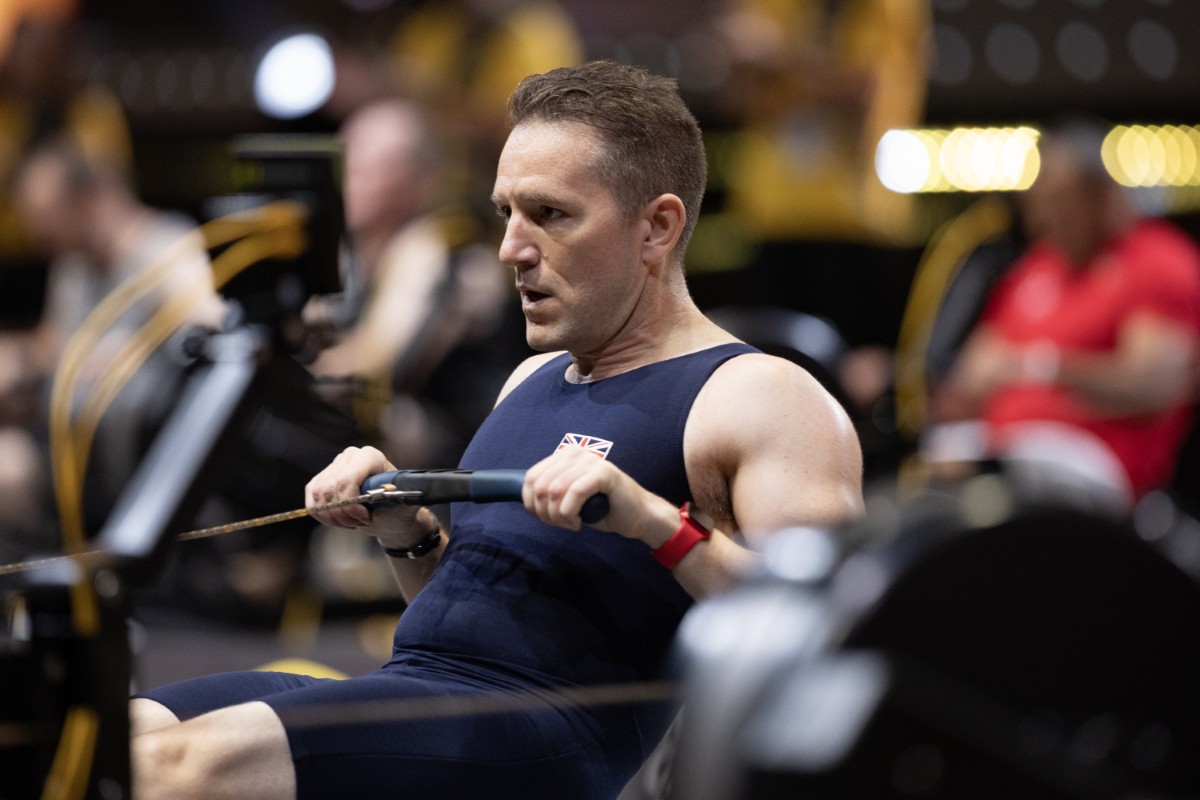
David Jarvis was preparing to represent his country at the Invictus Games 2023 when he was diagnosed with Type 1 diabetes. The diagnosis changed his goal for the games quite dramatically as a result, but gave him focus, pushing him to climb a very steep learning curve in a very short space of time to achieve his goal and win gold.
Type 1 Diabetes
Let’s be clear, Type 1 diabetes is relentless. If blood sugars go too low (hypo) it can kill you very quickly, too high (hyper) and you risk sight loss, limb loss and various other serious medical conditions. Hypos and hypers can happen several times a day if not managed effectively. There is no time off, no ignoring it, no relying on other people, no slopey shouldering of responsibility.
Diabetes is a lifelong condition that requires constant monitoring, self-medicating and adjusting, depending on a whole host of factors including, but not limited to; the type of insulin, how much, and when it’s taken, all of which is dependent on the type of food and drink consumed, how it’s prepared and cooked, how much is consumed, and what time of day its consumed; which is influenced by the weather, heat and humidity, activity levels, the type of activity, exercise intensity – the list goes on and on and on.
According to Diabetes UK, the average diabetic will make 180 diabetes related decisions per day on top of the normal day-to-day decisions we all make. As can be imagined, living with this condition can be stressful, but that’s hardly surprising when you consider the list of varying factors, added to that stress, which also impacts blood sugar levels, adding to an already vicious cycle.
Normally, diabetes comes on in childhood. Doctors told me that it is unusual for people my age to develop it, especially so in active healthy people like myself. There was no obvious cause or explanation the doctors could give me for the onset of my condition.
My Approach
I chose not to dwell on the diagnosis. It happened, move on. Personally, I feel lucky that this condition came on whilst I was preparing to represent my country at the Invictus Games 2023. My goal for the games changed quite dramatically as a result, but it gave me focus and enabled me to climb a very steep learning curve in a very short space of time. Whilst the pressure did take its toll, I learned to live with this condition quickly and effectively, which has enabled me to live more freely beyond the Games.
As I was the only Type 1 diabetic within Team UK at the Games, the majority of my learning was done alone through trial and error – and there were a lot of errors, especially early on, I was having several hypos and hypers daily. But I treated each error as a learning opportunity; I learned what I needed to, I adapted my approach and repeated my effort, then did it again and again until I got it right.
Mentally it was very challenging to deal with making so many errors all the time, especially early on, and not being able to talk about it with people who understood didn’t help either. But I just took it one step at a time and stayed focused on the end goal. Learn, adapt, repeat; I continue to make errors today, nowhere near as frequently, but my process remains the same. Learn, adapt, repeat.
I believe this approach can be applied to most activities in life, regardless of the situation – learn, adapt, repeat. Learning, growing and succeeding at each attempt.